Trade Starknet Tokens
Without Exposing Your Wallet
Trade any token with liquidity on Starknet from a wallet address that can't be linked back to the funds behind it. Shield your funds once, then trade as often as you like.
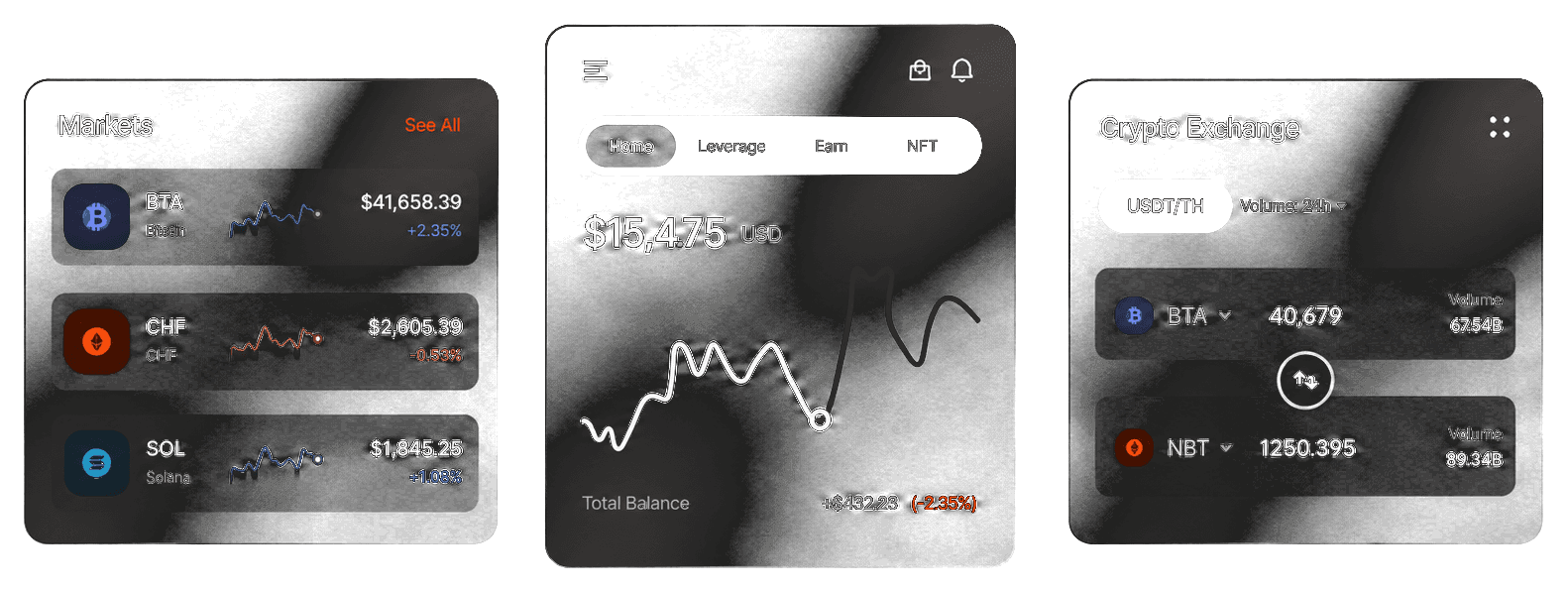
Two things that don't exist together yet.
Fast, but public
One-click swaps, market discovery, built for speed. Every trade traces straight back to your wallet.
Private, but not a terminal
Shielded balances, unlinkable transfers. Built as a wallet feature, not a place to trade.
Veyl is both.
A trading terminal for any token with liquidity on Starknet, where every trade comes from a wallet address that can't be traced back to your funding wallet. It is not a launchpad. Fair token launches are one feature built on the same privacy technology, not the main product.
One mechanism. Two tracks.
The same idea powers both tracks below: lock something up, reveal it only when it settles, and never expose who is behind it. Trading uses this every time you trade. Launching uses it once per token.
Trade privately
EverydayShield
Deposit into the STRK20 privacy pool.
Fresh identity
A per-trade wallet, generated from your shielded funds, acts for you.
Trade unlinked
Your funding wallet and your trade are never provably the same address.
Launch a token
OccasionalList the launch
Set the token and terms for a private auction round.
Bids come in privately
Real funds are locked in as encrypted deposits. No one, including Veyl, can see who has bid or how much until the round ends.
Settles at once
Every bid is revealed together and the round settles at a single price, so no one can act on early information.
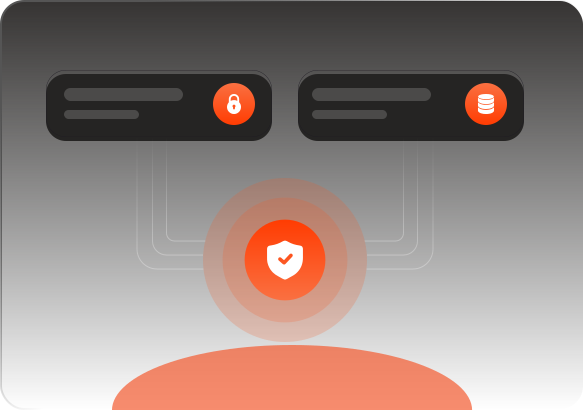
Privacy without the trust fall.
Cryptographic privacy
Sender, recipient, and amount stay encrypted inside the STRK20 privacy pool. That privacy comes from cryptography, not from a policy someone has to trust.
Runs on the real pool
Every shield, transfer, and trade runs against the actual STRK20 privacy pool contract, not a simulation. Veyl is testing on Starknet Sepolia before moving fully to Mainnet.
Private token launches
Every bid is locked in privately and only revealed once the round ends, so bots cannot front-run the opening block.
You hold the keys
Veyl never holds your funds. You shield and trade through your own wallet the whole time.
Questions worth answering straight.
No. Veyl is a private trading terminal. Fair token launches are one feature built using the same privacy technology, not the main product.
Any token that has liquidity on Starknet. Memecoins are the clearest early use case, but that's not a limit. Veyl adds a privacy layer on top of trading, it doesn't maintain its own fixed list of tokens.
Your wallet can already shield and unshield funds on its own, but it's deliberately blocked from touching your viewing key (the private key that decrypts your shielded balance). That's what keeps your wallet secure, but it also means your wallet alone can't generate a new, unlinked wallet for each trade, or run a private auction for a token launch. Both need a backend service, which is what Veyl adds on top of the shield and unshield features your wallet already has.
No. You shield and trade through your own connected wallet the entire time. Veyl never holds your assets.
Veyl's code (shield, unshield, private transfer, and the fair-launch contract) is built to run on the real STRK20 pool, on Starknet Mainnet or Sepolia. Veyl is currently testing on Sepolia before moving fully to Mainnet. See strk20.json in the repo for the current deployed contracts and live transactions.
Trade without being watched.
Shield once, then trade freely. Every action runs against the real STRK20 privacy pool contract on Starknet.